
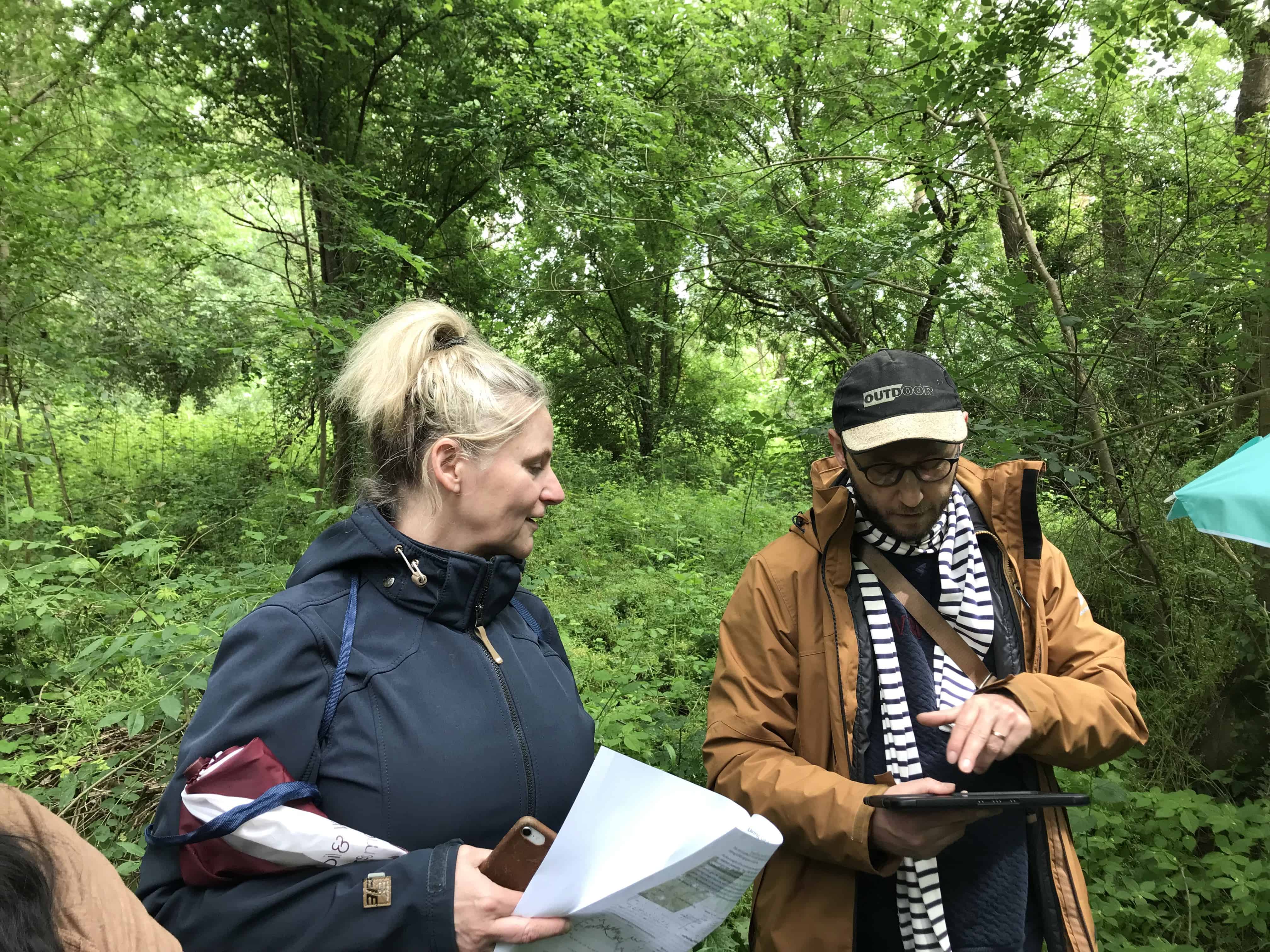
Wetland restoration is not only about ecosystems, it is about people.
At ALFAwetlands, we recognise that gender equality is essential to achieving sustainable and impactful restoration outcomes.
On International Women’s Day, we celebrate the vital contributions of women in wetland research, restoration, and community stewardship. We continue working to ensure gender equality is reflected throughout our project.
Why Gender Equality Matters in Wetland Restoration
Wetlands are deeply connected to local livelihoods, food systems, water management, and climate resilience. In many regions, women hold unique, place-based knowledge of wetland resources: from water management practices to biodiversity conservation and sustainable land use.
At the same time, women are often disproportionately affected by environmental degradation, climate change impacts, and loss of ecosystem services. When wetlands decline, the social and economic consequences frequently intensify existing inequalities.
For restoration to be effective and just, women must be:
- Included in decision-making processes
- Actively engaged in research and innovation
- Represented in leadership and governance
- Supported in overcoming structural barriers to participation
From Commitment to Action: Gender Inclusion in ALFAwetlands
The ALFAwetlands consortium integrates gender equality throughout project implementation. This includes:
Promoting Gender-Aware Communication
We encourage all partners and beneficiaries to apply gender-sensitive communication practices in line with European best-practice guidance, such as the Toolkit on Gender-Sensitive Communication and Gender-Neutral Language developed for the European Parliament.
Addressing Barriers to Participation
Effective gender inclusion requires identifying and addressing obstacles that limit women’s involvement in:
- Scientific research and fieldwork
- Stakeholder engagement
- Governance and policy processes
- Project leadership roles
By fostering equitable participation, we strengthen both the scientific quality and societal relevance of restoration efforts.
Better Science, Stronger Communities
Inclusive decision-making leads to more innovative and comprehensive solutions, greater community acceptance, improved long-term sustainability, and enhanced social resilience.
By embedding gender equality into wetland restoration and research, ALFAwetlands contributes to both environmental integrity and social equity.
Women in Wetland Science and Stewardship
It is iportant to admit, not only on International Women’s Day, but also every day:
- Women researchers advancing knowledge on peatlands and wetland ecosystems
- Women practitioners restoring degraded landscapes
- Women community members safeguarding local ecological knowledge
- Young women entering environmental sciences and shaping future solutions
Their expertise, leadership, and dedication are essential to achieving climate resilience and biodiversity recovery.
Our Commitment
Gender equality is a continuous process. ALFAwetlands remains committed to:
- Mainstreaming gender considerations across work packages
- Promoting inclusive communication and representation
- Supporting equitable participation in research and stakeholder engagement
- Contributing to EU values of equality, diversity, and inclusion
Because restoring wetlands also means restoring balance: in ecosystems and in society.