
Category: Living Lab
-

Celebrating World Wetland Day with ALFAwetlands Living Labs
On World Wetlands Day 2026, we celebrate the power of collaboration, science, and local action to protect and restore Europe’s wetlands. Through the ALFAwetlands Living Labs, researchers, NGOs, citizens, land managers, municipalities and policy makers are working together to share knowledge, test solutions, and shape sustainable wetland management across diverse socio-ecological contexts. Please also read:…
-

Celebrating World Rivers Day with ALFAwetlands Living Labs
Every year, World Rivers Day reminds us of the importance of rivers for biodiversity, climate resilience, and human well-being. Rivers shape landscapes, sustain ecosystems, and connect communities across the globe. At ALFAwetlands, we celebrate this day by highlighting our Living Labs, where rivers are also part of innovative research and restoration efforts. Our Living Labs…
-
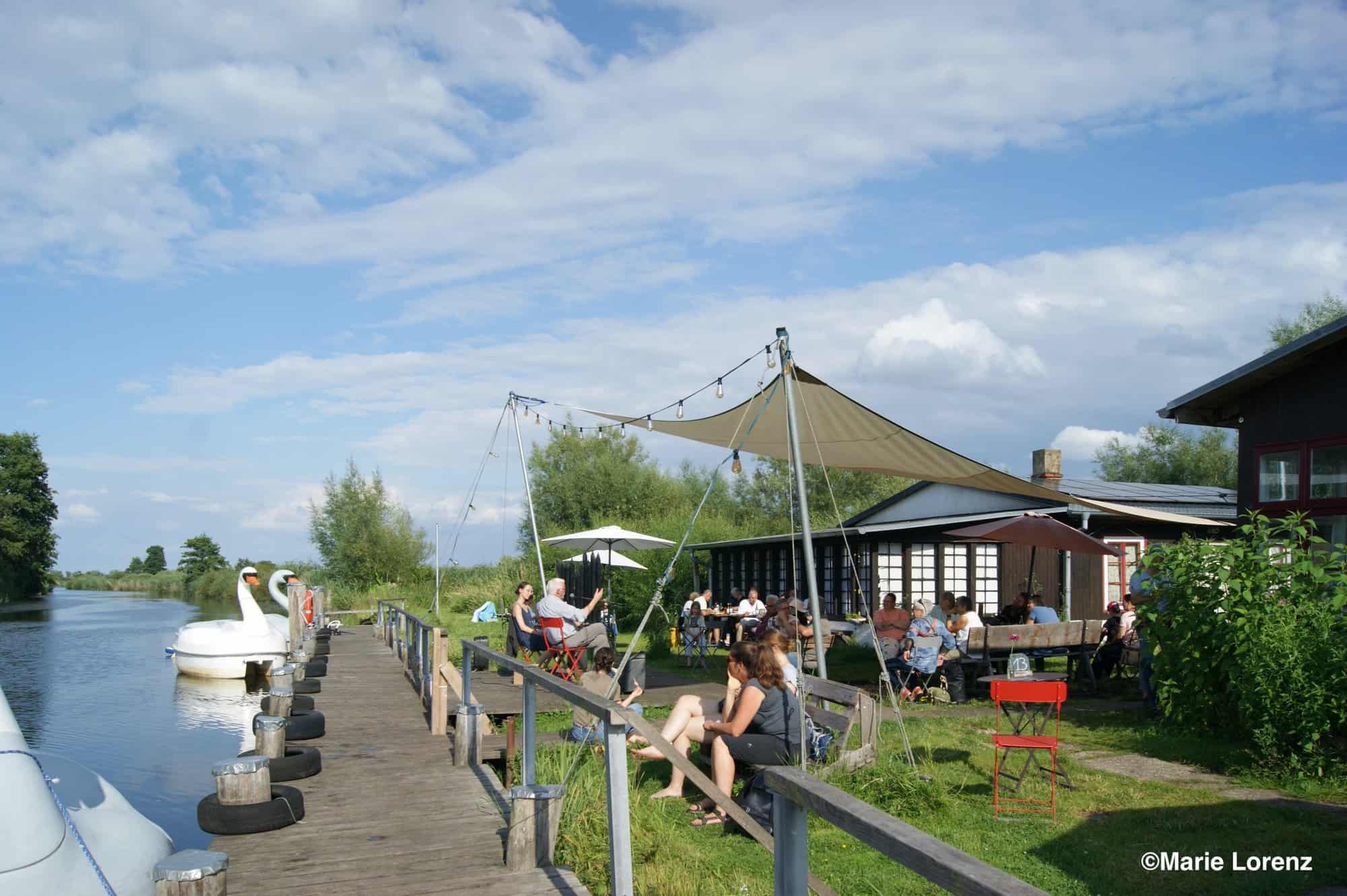
Living Lab Open Day at Living Lab in Germany
ALFAwetlands partners are continuing conducting Living Labs Open Days and we are grateful to Marie Lorenz from Michael Succow Foundation for sharing their story with us. Open Day On 11th of July on the Living Lab Open Day at the Moorbauer in Malchin, Germany was all about peatlands. Where is it easier to understand the…
-
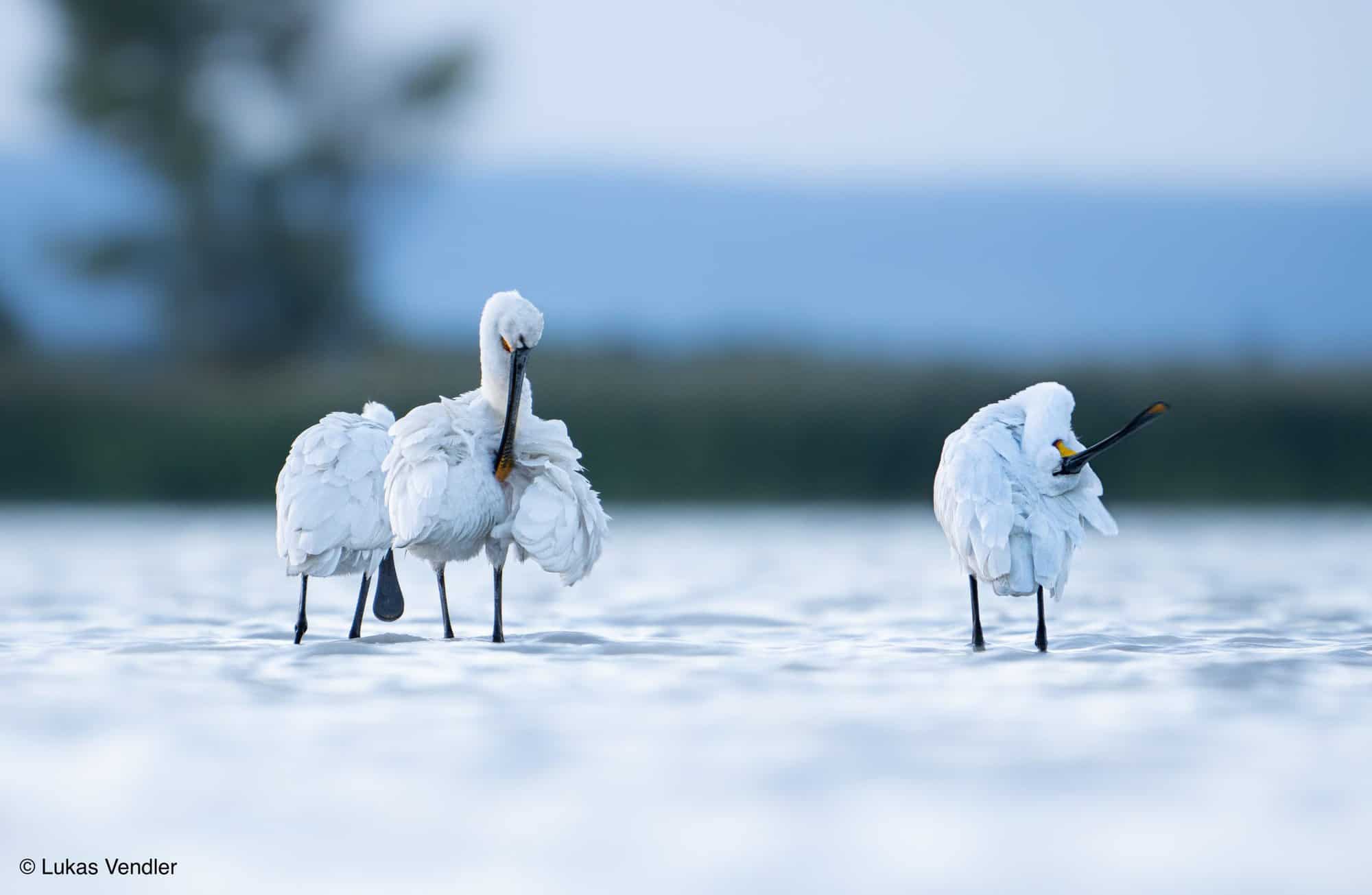
Birds monitoring on Austrian-Hungarian Living Lab
ALFAwetlands Austrian-Hungarian Living Lab includes a floodplain of the Lake Neusiedl. The lake is located on Austrian and Hungarian sides and is a crucial habitat for diverse bird species. Bird monitoring initiatives in this area is extremely important. It provides invaluable data on population trends, migratory patterns, and habitat health. Such efforts aid managers in…
-
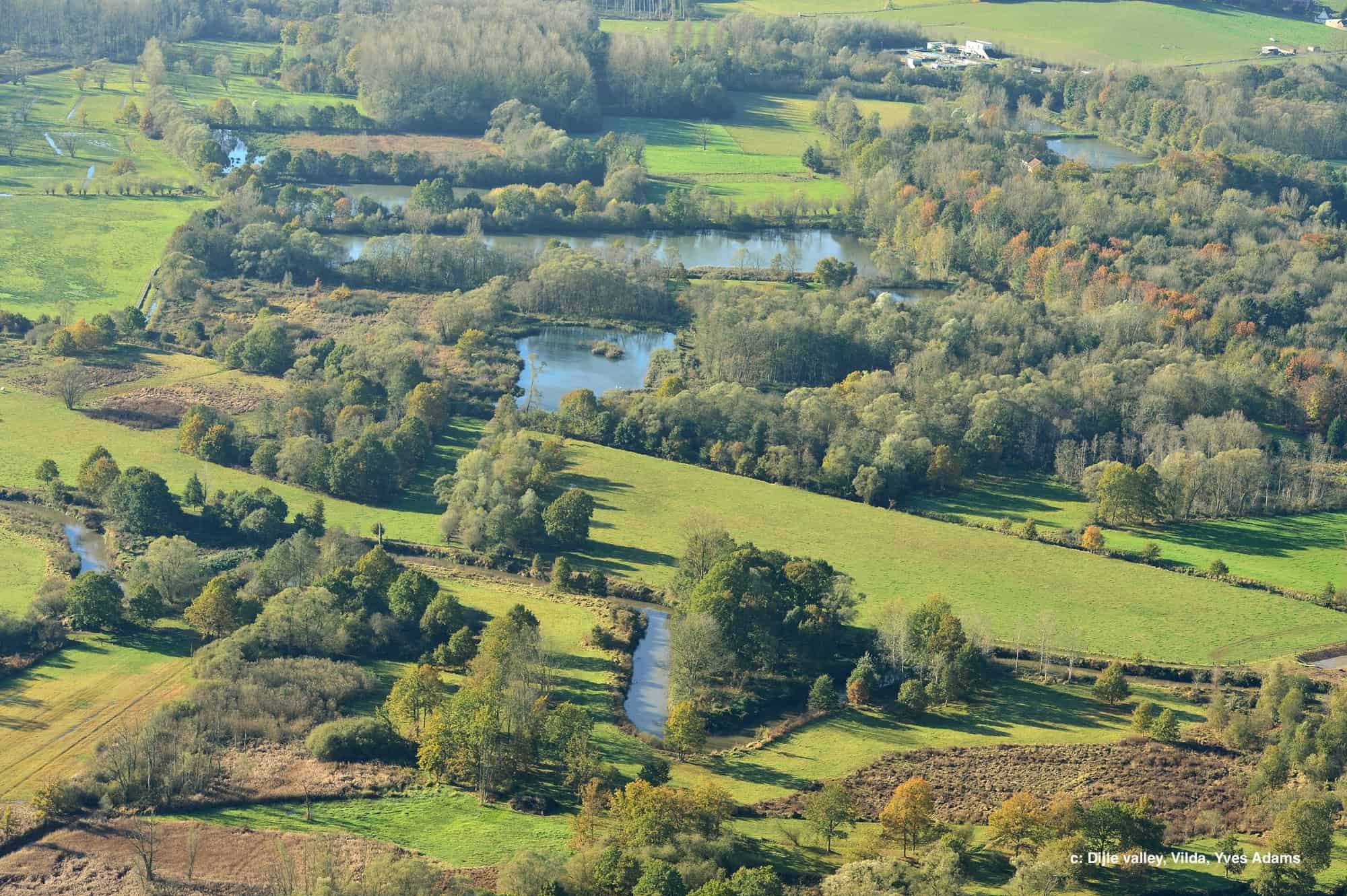
ALFAwetlands Living Lab in Belgium
One of the ALFAwetlands Living Labs that supports and integrates interdisciplinary research, is the Living Lab in Belgium, managed by EVINBO. Fragmented wetland habitat The region of Flanders is situated in the northern part of Belgium and covers 13,522 km2. With almost 75% of its wetlands lost since the 1950s, Flanders ranks highest amongst the…
-
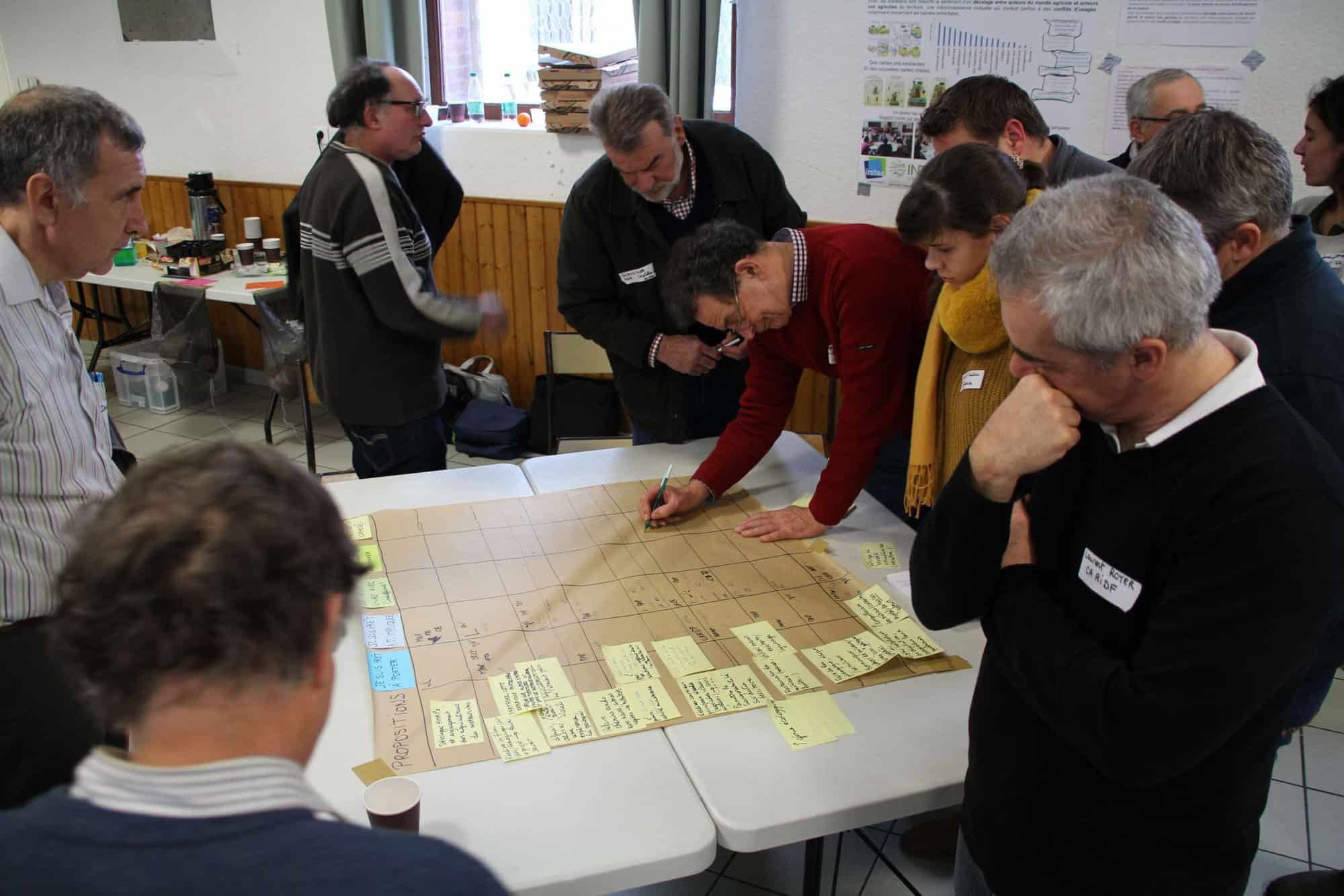
Co-creation experience of the Rampillon Living Lab site
Tackling non-point source pollution in intensive agricultural area, near Paris, faces several barriers. In order to stimulate communication between stakeholders, ALFAwetlands partner: INRAE in cooperation with AQUI’Brie: association to protect ground water resources developed tools and serious game to support participatory approaches. Objectives The objectives were to test tools that would facilitate dialogue on diffuse…
-

Living lab site – Öland, Sweden
The Swedish Living Lab within the ALFAwetlands project is the island of Öland, situated in the Baltic Sea just off the southeast coast of Sweden. Introduction Covering a surface area of 1,342 square kilometres and home to approximately 26,600 inhabitants, Öland is connected to the Swedish mainland by the Öland Bridge, constructed in 1972. The…
-
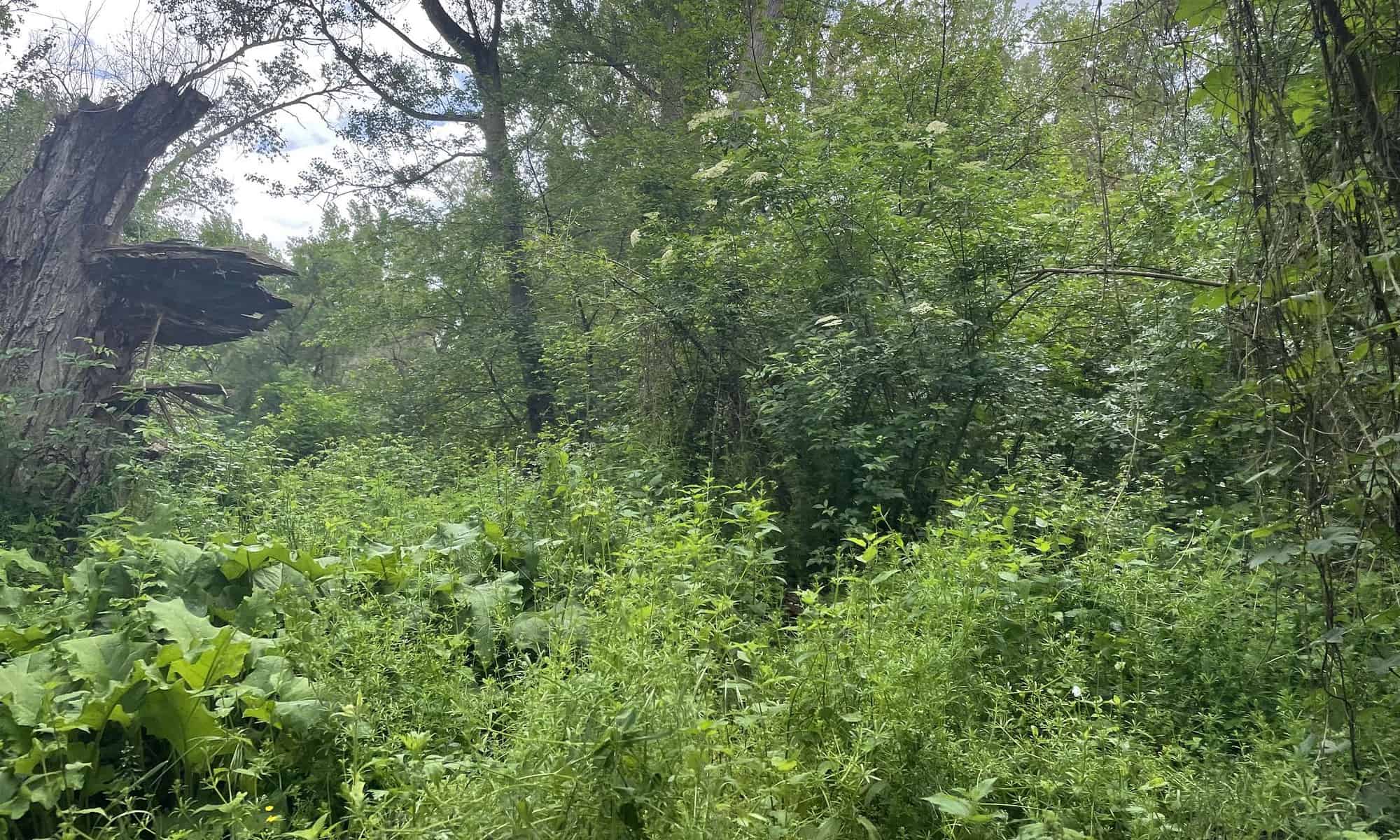
Living lab site – the Nature Reserve Confluent
ALFAwetlands Living lab France consists of several sites, one of them is Living Lab site Toulouse or Confluent. Please also read: Living Lab site in French Pyrenees Introduction Small man-managed wetlands are scattered throughout the picturesque landscape of France. These wet areas contribute to the country’s natural beauty and ecological diversity. These wetlands, serve as…
-
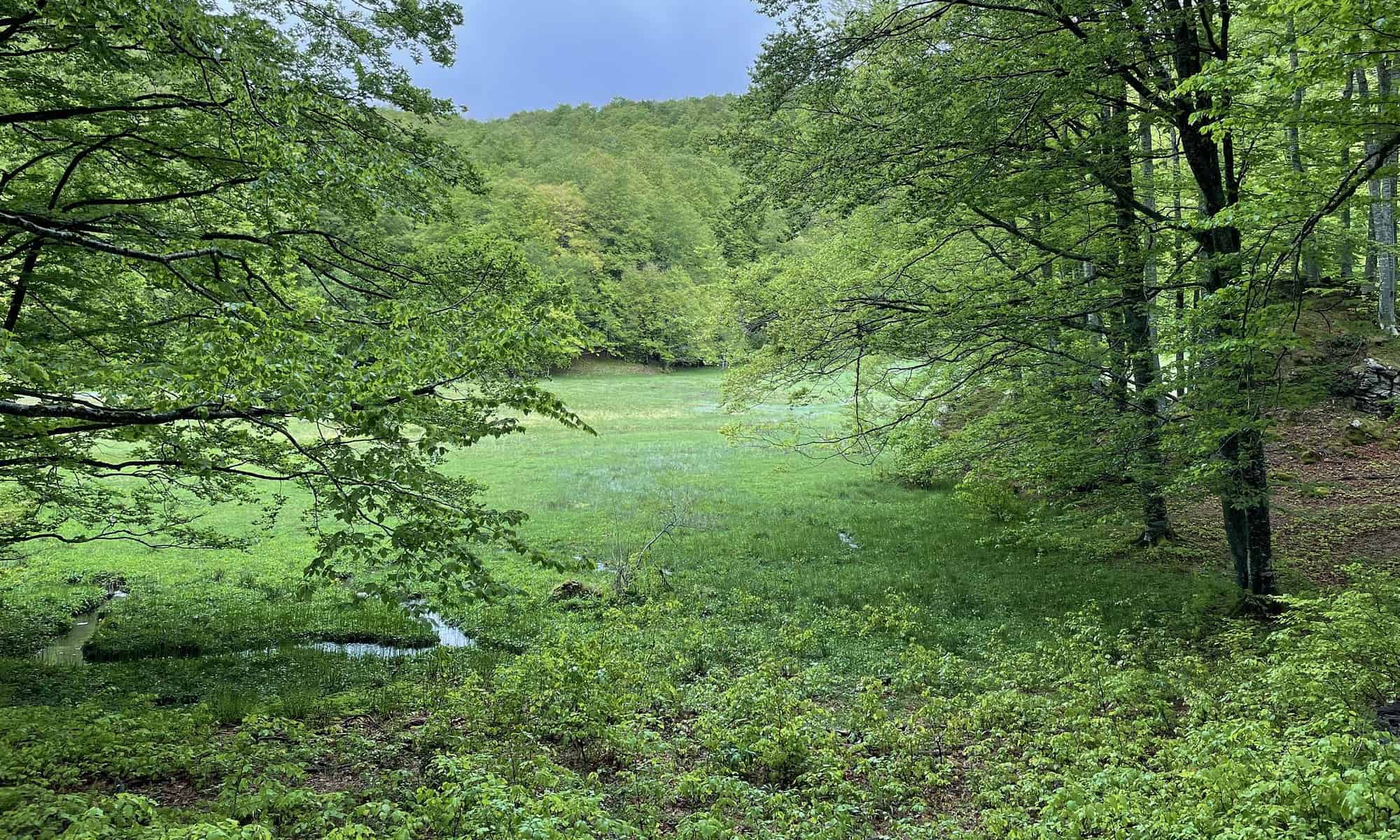
Living lab site in French Pyrenees
Bernadouze Peatland Living lab site Bernadouze Peatland is a part of the unique Europe wide Living labs network of ALFAWetlands project. It is nestled in the picturesque Pyrenees landscape of southwestern France. The area is a captivating natural gem that holds significant ecological value. This area is a moss-covered wetland with diverse flora and fauna.…


